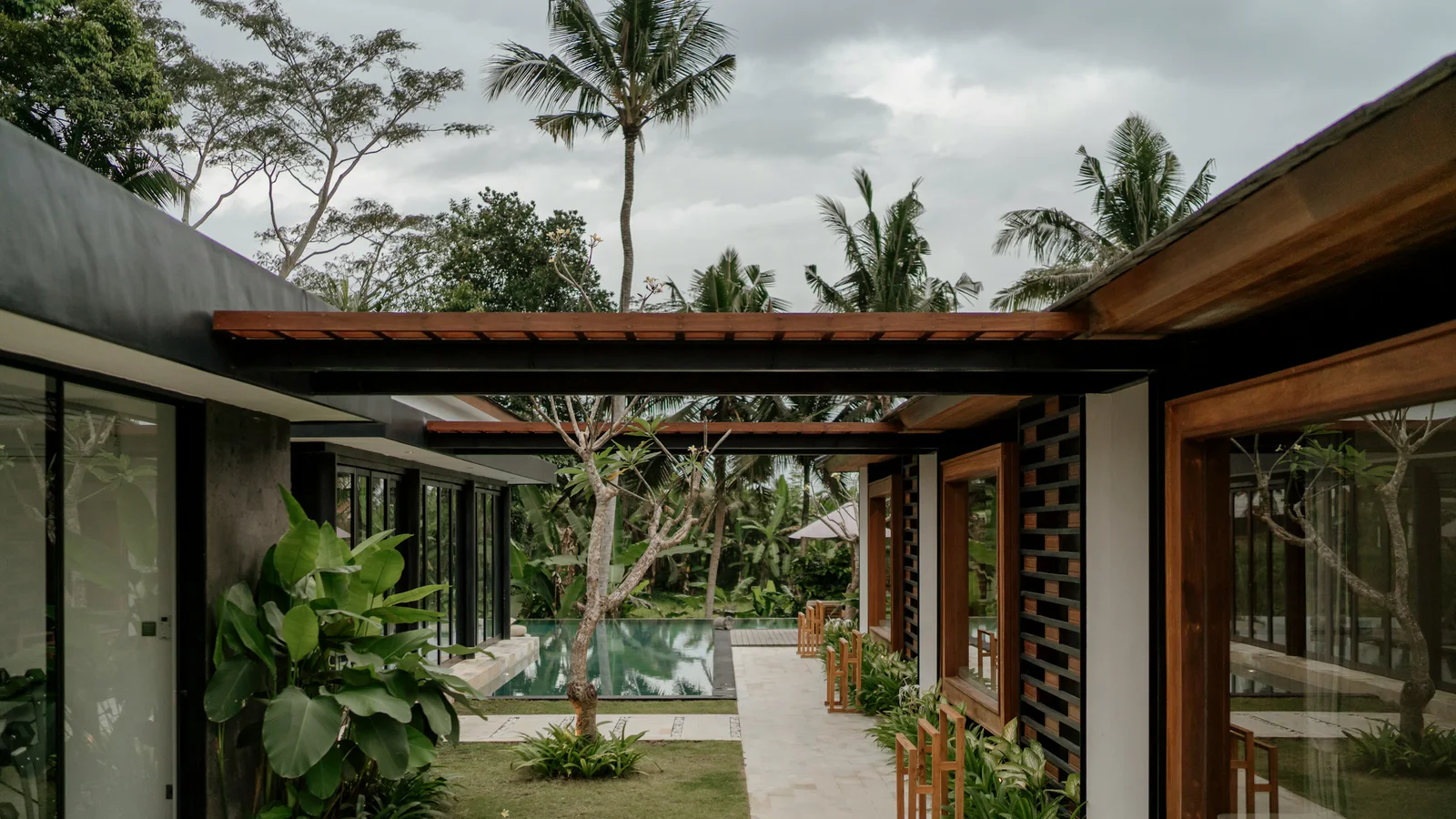
Longevity Travel in 2026: Marketing Term or Useful Plan?
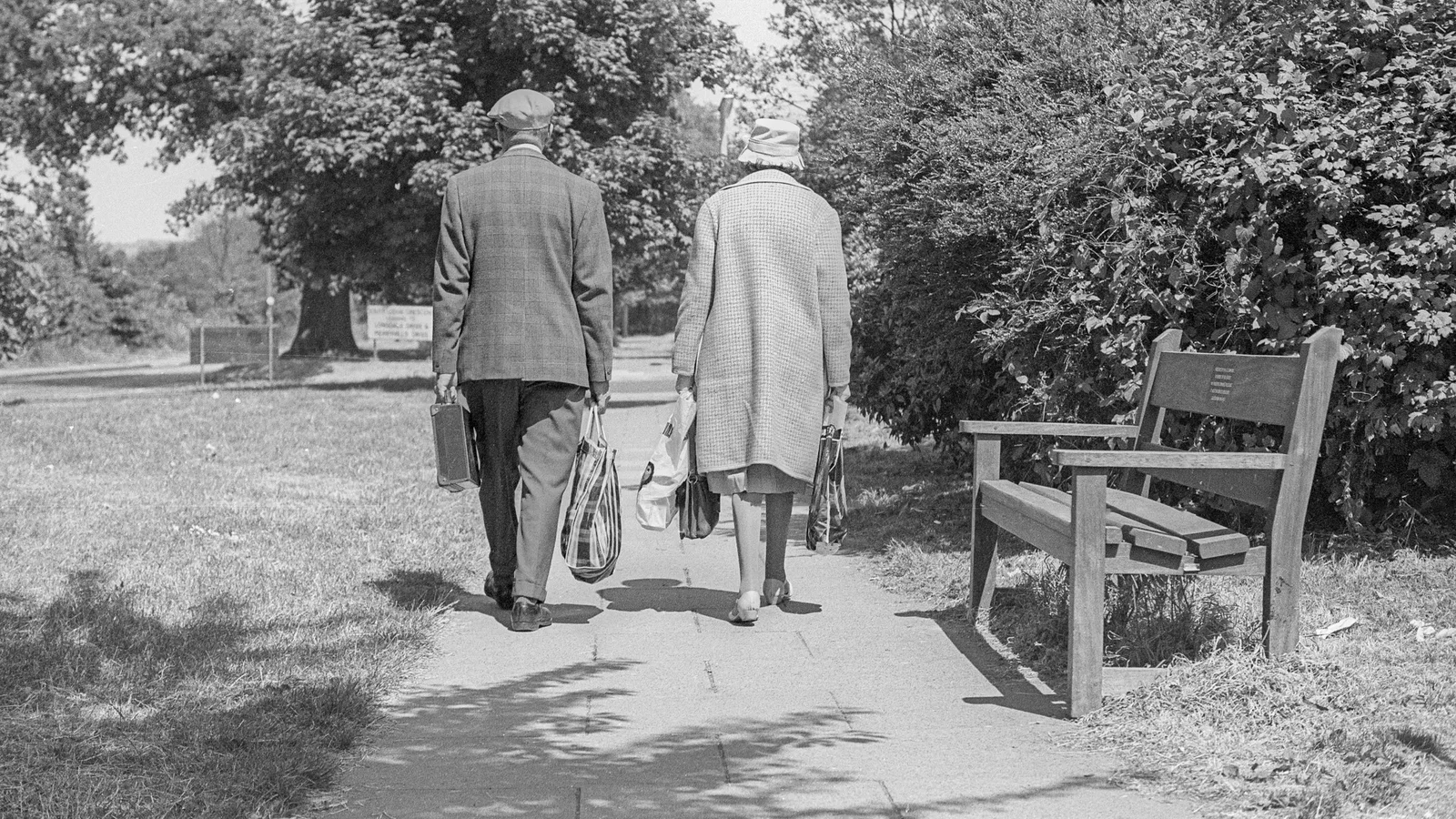
Image: Gavin Allanwood / Unsplash
“Longevity travel” is a marketing label, not a recognized treatment or a standardized travel category. It can describe a quiet walking holiday, a hotel package with fitness classes, or a clinic selling tests and interventions.
No destination or retreat can substantiate “adding good years” merely from the label.
Use a sound definition of healthy ageing
The World Health Organization defines healthy ageing as developing and maintaining the functional ability that enables well-being in older age. It includes a person’s capacities, the environment, and the interaction between them.
That is broader than lifespan and more careful than a claim that one trip measurably changes how someone ages.
Translate the package into components
Ignore the brand name and list what is actually provided:
| Component | Questions |
|---|---|
| Accommodation | Accessibility, noise, air quality, food, sleep environment |
| Movement | Instructor, intensity, screening, adaptation, injury response |
| Food | Allergies, nutritional claims, restrictions, clinician involvement |
| Tests | Clinical purpose, validation, laboratory, consent, privacy, follow-up |
| Treatment | Licensed provider, facility, evidence, alternatives, adverse events |
| Coaching | Scope, credential, confidentiality, and outcome claimed |
| Community | Schedule, safeguarding, inclusion, and opt-out rights |
Walking, activity, sleep routines, nutrition, social connection, and regular care can be part of healthy ageing. Their general value does not prove that a branded package is effective or suitable for one person.
Apply a higher bar to clinical claims
For each test or intervention, ask:
- Is it approved or legally offered in the destination?
- What condition or decision is it intended to address?
- Does evidence come from randomized trials, observational studies, or testimonials?
- Were participants comparable to you?
- What harms, false positives, follow-up needs, and conflicts exist?
- Who interprets the result after you return home?
Do not pause established care, change medication, or undertake an invasive or high-risk intervention on the basis of travel marketing.
Evaluate the destination as an environment
Walkability and access to nature may make certain activities easier, but also check:
- heat, air quality, altitude, infectious disease, and food or water risks;
- accessible transport and facilities;
- emergency and routine medical care;
- medication legality and supply;
- travel insurance and medical evacuation;
- local laws and personal safety; and
- whether the work schedule allows the intended routine.
WHO notes that travel risk depends on the traveller, destination, activity, and access to care. A place that helps one person may create barriers for another.
Use the trip as observation, not proof
If you test a routine, define a modest outcome such as whether it is practical, enjoyable, affordable, or compatible with symptoms and work. A short-term change in mood, sleep, or a wearable metric does not establish longer life or disease prevention.
Keep routine checkups, vaccination, and chronic-condition management in the plan. “Longevity” should not become a reason to substitute unproven services for indicated care.
Source notes
- WHO healthy ageing and functional ability defines healthy ageing and explains the role of environments.
- The U.S. National Institute on Aging reviews what is known about healthy ageing, including activity, nutrition, sleep, care, and social factors.
- WHO travel and health guidance explains destination, health, medication, care-access, and insurance considerations.
Source check: 27 July 2026.
This article provides general travel and health education, not medical advice and not an endorsement of any longevity service.
wellnesslongevityhealthy ageingwellness traveldigital nomad